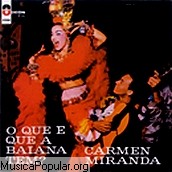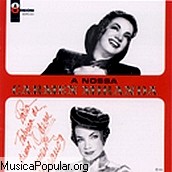
Carmen Miranda
|
Carmen Miranda |
|
 International Shops  search for music by Carmen Miranda at amazon  search for rare music at Music Stack Links: Carmen Miranda Internet Movie Database |
 |
 |
 |
|
Carmen Miranda Maria do Carmo Miranda da Cunha Nascido - 9/2/1909 Marco de Canavezes, Portugal Morto - 5/8/1955 Beverly Hills, Los Angeles, EUA Clips Biografia Cantora. Atriz. Dançarina. Nasceu em Portugal, na pequena aldeia de Marco de Canavezes, Distrito do Porto, vindo para o Brasil com apenas 18 meses. Seu pai, José Maria Pinto da Cunha, que exercia a profissão de barbeiro, imigrou para o Brasil primeiro. A mãe, Maria Emília Miranda da Cunha, veio em seguida, trazendo a pequena Carmen e a outra filha mais remdad --> Composição Os hôme implica comigo (com Pixinguinha) Por ti estou presa (com Josué de Barros) Discografia (2009) Carmen Miranda - 100 Anos: Duetos e Outras Carmens • Sony/BMG CD (2000) Carmen Miranda • Revivendo CD (2000) Carmen Miranda-A Pequena Notável • Revivendo CD (2000) Carmen Miranda-caixa com 3 CDs • RCA/BMG CD (1999) Carmen Miranda-Série Raízes do Samba • EMI CD (1950) Asi asi (I see, I see)/The wedding samba • Label/Disco DECCA 78 Clips Degraus da vida: - Brasil / Rio de Janeiro - Agra Filme. Direção, Lourival Agra. Produção, Agra Filme. Obs no catálogo da retrospectiva promovida pela Cinemateca do Museu de Arte Moderna / Clube de Cinema do Rio de Janeiro / Secretaria de Turismo do Governo da Guanabara (1969, 2ª edição 1971) consta a informação de que esse filme (embora Carmen Miranda tenha assinado contrato) não chegou a ser rodado. (1930) Carnaval cantado de 1932 no Rio: - Brasil / Rio de Janeiro - V. R. Castro Produtora - Documentário de média-metragem - ... minutos - Preto e branco. (1932) A voz do carnaval: - Brasil / Rio de Janeiro - Cinédia - - Preto e branco. Direção, - Adhemar Gonzaga e Humberto Mauro. Produtor, - Adhemar Gonzaga. Argumento, - Joracy Camargo. Fotografia, Edgar Brasil, Afrodísio P. Castro, Vítor Ciacchi e Ramon Garcia. Músicas, trechos dos sambas e ou canções "Linda morena, Aí, hein?!" e "Moleque indigesto", de Lamartine Babo; "Boa bola", de Lamartine Babo e P. Valença; "Fita amarela", de Noel Rosa; "Mas como...," de Noel Rosa e Francisco Alves; "Formosa", de J. Rui e Nássara; "É batucada", de J. Luís de Moraes; "Macaco, olha o teu rabo", de Benedito Lacerda e G. Viana; "Trem blindado" e "Moreninha da praia", de Carlos Braga; "Vai haver barulho no chatô", de W. Silva e Noel Rosa; "Good-bye", de Assis Valente; "Allo", Jones, de Jurandir Santos; e "Opa, opa!", de Maércio e Mazinho. Intérpretes, Carmen Miranda, Gina Cavaliere, Lu Marival, Regina Maura, Elsa Moreno, Naná Figueiredo, Pablo Palitos, Paulo de Oliveira Gonçalves, Lamartine Babo, Paulo Gonçalves, Apolo Corrêa, Henrique Chaves, Alice Garcia, Mário Toledo Filho, Sara Nobre, Sônia Veiga, Edmundo Maia, Lilian Paes Leme, Paulina Mobarak, Jararaca e Ratinho, e outros; Carmen Miranda canta ao microfone "Moleque indigesto" e "Good-Bye". Estreou no Cine Odeon em 6 de março de 1933. Sinopse, trata-se de um semidocumentário, pois, contando a história do Rei Momo que foge do trono para assistir ao carnaval do Rio, utiliza cenas reais, gravadas ao vivo, e cenas de estúdio. É o primeiro filme sonoro da Cinédia. Foi exibido, em 1936, em Paris; há informações de que obteve grande êxito. (1933) Alô, alô, Brasil!: - Brasil / Rio de Janeiro - Waldow-Cinédia / Metro Goldwyn Mayer - ... minutos - Preto e branco. Direção, Wallace Downey, João de Barro e Alberto Ribeiro. Produtores, Wallace Downey e Adhemar Gonzaga. Argumento, João de Barro e Alberto Ribeiro. Fotografia, Antônio Medeiros, Luís de Barros, Afrodísio P. Castro, Edgar Brasil, Ramon Garcia e Fausto Muniz. Som, Charles Whalley. Intérpretes, Carmen Miranda, Aurora Miranda, Dircinha Batista, Cordélia Ferreira, Elisa Coelho, César Ladeira, Francisco Alves, Barbosa Junior, Mário Reis, Jorge Murad, Custódio Mesquita, Almirante, Mesquitinha, Ary Barroso, Manoelino Teixeira, Arnaldo Pescuma, Manoel Monteiro, Afonso Stuart, Bando da Lua, Os Quatro Diabos, Orquestra Simon Bountman. Quadros musicais e "sketches", - "Cidade maravilhosa", de André Filho, "Ladrãozinho", de Custódio Mesquita, com Aurora Miranda; "Foi ela", de Ary Barroso, com Francisco Alves; "Rasguei minha fantasia", de Lamartine Babo, com Mário Reis; "Menina internacional", de João de Barro e Alberto Ribeiro, com Dircinha Batista, Arnaldo Pescuma e o conjunto Os Quatro Diabos; "Primavera no Rio", de João de Barro, com Carmem Miranda, acompanhada ao piano por Muraro; "Deixa a lua sossegada", de João de Barro e Alberto Ribeiro, com Almirante e o Bando da Lua; "Garota colossal (trecho)", de Nássara e Ary Barroso, com o próprio Ary Barroso; "Fiquei sabendo", de Custódio Mesquita, com Elisa Coelho de Almeida; e "Salada portuguesa", de Paulo Barbosa e Vicente Paiva, com Manoel Monteiro. Nos programas constava ainda a música "Muita gente tem falado de você", de Mário Paulo e Arnaldo Pescuma; e Carmem Miranda cantou "Primavera no Rio", último número do filme, privilégio concedido comumente ao maior nome do elenco. Estreou no Cine Alhambra em 4 de fevereiro de 1935. Sinopse, uma espécie de revista musical, cujas histórias, músicas e anedotas estão interligadas pelas aventuras de um radiomaníaco que está em busca de seu grande amor. Segundo alguns críticos da época, o filme é tão bem-feito, que até parece filme argentino! Por isso mesmo pode ser considerado, nessa opinião, o primeiro produto industrial do cinema brasileiro. E com enorme sucesso de bilheteria. (1935) Estudantes: - Brasil / Rio de Janeiro - Waldow-Cinédia / DFB - ... minutos - Preto e branco. Direção, - Wallace Downey. Produtores, - Wallace Downey e Adhemar Gonzaga. Argumento, - João de Barro e Alberto Ribeiro. Fotografia, Antonio Medeiros e Edgar Brasil. Som, Moacyr Fenelon. Músicas. - João de Barro, Alberto Ribeiro, Assis Valente, Custódio Mesquita e Almirante. Orquestra de Simão Boutman e Conjunto Regional de Benedito Lacerda. Foram cantados os seguintes números, "Sonho de papel" (marcha), de Alberto Ribeiro; "E bateu-se a chapa", de Assis Valente, por Carrnem Miranda; "Linda Mimi" (marcha), de João de Barro, por Mário Reis; "Linda Ninon" (samba), de João de Barro e Cantídio Melo; "Onde está o seu carneirinho", de Custódio Mesquita, por Aurora Miranda; "Ele ou eu" (fox-canção), de Alberto Ribeiro, por Silvinha Melo acompanhada dos Irmãos Tapajós; "Lalá" (marcha), de Alberto Ribeiro e João de Barro, pelo Bando da Lua; "Assim como o Rio" (toada), de Almirante, com o próprio. Intérpretes, Carmen Miranda, Aurora Miranda, Silvinha Melo, Carmen Silva, Dulce Wheyting, Mesquitinha, César Ladeira, Barbosa Júnior, Almirante, Jorge Murad, Mário Reis, Afonso Osório, Elio Pereira, Bando da Lua, Irmãos Tapajós, Benedito Lacerda e seu Conjunto Regional e Orquestra de Simon Bountman. Sinopse, Carmen, em seu papel, o único, aliás, de seus filmes brasileiros, "é a pequena do rádio, toda "sex-appeal", que se deixa enamorar pelos estudantes apaixonados por seus encantos e pelas canções que a "pequena formidável" interpreta com toda a sua brejeirice. Mesquitinha e Barbosa Júnior são os seus apaixonados. E Carmen, que gosta do estudante Mário Reis, não quer desiludir os dois, proporcionando-lhes momentos de alegria e... comédia. As declarações de ambos são gozadíssimas! Já vimos o filme e podemos dizer que o cinema brasileiro nunca apresentou outro tão engraçado... A nova produção de Wallace Downey está destinada a bater outro "record". ("Cinearte", 15-6-1935) Estreou no Cine Alhambra em 8 de julho de 1935. (1935) Alô, alô, carnaval!: - Brasil / Rio de Janeiro - Waldow-Cinédia / DFB - ... minutos - Preto e branco. Direção, - Adhemar Gonzaga. Produtores, - Wallace Downey e Adhemar Gonzaga. Argumento, - João de Barro e Alberto Ribeiro. Fotografia, Antônio Medeiros e Edgar Brasil. Som, Moacir Fenelon. Intérpretes, - Carmen Miranda, Aurora Miranda, Heloísa Helena, Alzirinha Camargo, Dulce Wheyting, Dircinha Batista, Lelita Rosa, Francisco Alves, Mário Reis, Jayme, Luiz Barbosa, Pinto Filho, Oscarito, Almirante, Muraro, Hervé Cordovil, Pery Ribas, Joel e Gaúcho, Irmãs Pagãs, Bando da Lua, Os Quatro Diabos", Orquestra de Simon Bountman, Benedito Lacerda e seu Conjunto Regional. Carmen Miranda canta "Querido Adão" e "Cantores de rádio" (com Aurora). Estreou no Cine Alhambra em 20 de janeiro de 1936. Sinopse, dois autores procuram um empresário para oferecer-lhe uma revista musical, "Banana da terra". O empresário recusa a oferta porque está esperando uma "atração francesa". Essa atração falha, e o empresário é obrigado a reconsiderar sua decisão anterior, promovendo "Banana da terra", um musical salpicado de piadas sobre fatos e personagens do ano. (1936) Bibliografia ALBIN, R. Cravo. MPB a História de um século. Rio de Janeiro: Funarte, 1998. ALBIN, R. Cravo. O livro de ouro da MPB - A História de nossa música popular de sua origem até hoje. Rio de Janeiro: Ediouro, 2003. AZEVEDO, M. A . de (NIREZ) et al. Discografia brasileira em 78 rpm. Rio de Janeiro: Funarte, 1982. BARSANTE, Cássio Emmanuel. Carmen Miranda. Rio de Janeiro: Europa, 1985. CARDOSO JÚNIOR, Abel. Carmen Miranda - a cantora do Brasil. São Paulo: edição particular do autor, 1978. CARDOSO, Sylvio Tullio. Dicionário biográfico da música popular. Rio de Janeiro; Edição do autor, 1965. 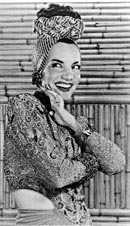 Carmen Miranda
- Nasceu - 9/2/1909 Faleceu - 5/8/1955 Carmen Miranda
- Nasceu - 9/2/1909 Faleceu - 5/8/1955Carmen Miranda was born in the small northern Portuguese town of Marco de Canaveses. She was the second daughter of José Maria Pinto Cunha (1887 - 1938) and Maria Emília Miranda (1886 - 1971). Shortly after her birth, her father, José Maria, emigrated to Brazil and settled in Rio de Janeiro (the then capital), where he opened a barber's shop. In 1910, her mother followed, together with her eldest daughter, Olinda, and Carmen. Carmen never returned to Portugal. Once in Brazil, her parents had further children, namely: Amaro (1911), Cecília (1913), Aurora (1915 - 2005) and Oscar (1916). Carmen went to school at the Convent of Saint Therese of Lisieux. Her very Catholic parents did not approve of her dreams of pursuing show business, so she kept them secret for years. In her spare time, she often sang at parties and festivals around town. Carmen's sister, Olinda, contracted tuberculosis and returned to Portugal for treatment. Carmen got her first job, in a tie shop at age 14, to help pay for her sister's medical treatment. She later worked in a boutique, La Femme Chic, where she learned to make hats. In no time, she started her own small hat business which became quite profitable. Olinda, meanwhile, remained in Portugal until her death in 1931. Carmen was eventually discovered and given the chance to perform on a local radio station. One thing led to another, and she pursued a career as a samba singer for 10 years before she was invited to New York City to perform in a show on Broadway. In Brazil, she was noted as a musical innovator, and was one of the first samba superstars long before her arrival in the United States. She also made six films in Brazil. Carmen arrived in the United States in 1939 with her band, the Bando da Lua, and achieved stardom in the early 1940s. She was encouraged by the United States government in her American career as part of President Roosevelt’s Good Neighbor Policy, designed to strengthen links with Latin America and Europe; it was believed that in delivering content like hers, the policy would be better received by the American public. She was the country's highest-paid entertainer for several years in the 1940s, and in 1945, was the highest-paid woman in the United States, earning more than $200,000 that year, according to IRS records. Carmen made a total of 14 Hollywood films between 1940 and 1953. As a singer, she sold more than 10 million copies worldwide. She was given the nickname "The Brazilian Bombshell". Carmen’s Hollywood image was one of a generic Latinness that blurred the distinctions between Brazil, Argentina, and Mexico as well as between samba, tango and habanera. It was carefully stylized and outlandishly flamboyant. She was often shown wearing platform sandals and towering headdresses made of fruit, becoming famous as "the lady in the tutti-frutti hat." At only 5 feet tall (152 cm), these accoutrements made her appear almost larger-than-life on screen. She was well aware of the tensions in her career. During a visit to Brazil in 1940, she was heavily criticized for giving in to American commercialism and projecting a false image of Brazil. She responded with the Portuguese language song "Disseram Que Voltei Americanizada," or "They Say I've Come Back Americanized." Another song, "Bananas Is My Business," was based on a line in one of her movies and directly addressed her image. She was greatly upset by the criticism and did not return to Brazil again for 14 years. Carmen did not drink or smoke until her late 30s. In addition to her addiction to alcohol and tobacco, Carmen regularly used amphetamines and barbiturates, all of which weakened her heart. Carmen died of a heart attack following an appearance on The Jimmy Durante Show. The A&E Network Biography episode featuring Carmen Miranda contained the tragic kinescope footage from her August 4 appearance. After completing a dance number, Carmen unknowingly suffered a mild heart attack, and nearly collapsed. Durante was at her side, and helped keep her on her feet. Carmen then smiled, waved to the crowd, and walked offstage for the last time. "The Brazilian Bombshell" died by the following morning, at the age of 46. The official cause of death given on her death certificate was from untreated toxemia (later known as pre-eclampsia), and heart failure stemming from a pregnancy. Her body was flown back to Brazil soon afterwards and the Brazilian government declared a period of national mourning. She was buried in the Cemitério São João Batista in Rio de Janeiro. Her funeral cortège, en route to the cemetery, was accompanied by about half a million people. Carmen Miranda (Marco de Canaveses, 9 de Fevereiro de 1909 — Beverly Hills, 5 de Agosto de 1955) foi uma cantora e atriz. Maria do Carmo Miranda da Cunha, como foi batizada na freguesia de Várzea da Ovelha, era a segunda filha do barbeiro José Maria Pinto Cunha (1887 - 1938) e de Maria Emília Miranda (1886 - 1971). Maria do Carmo, que ganhou o apelido Carmen já no Brasil graças ao gosto de José Maria por óperas. Pouco depois de seu nascimento, o pai, José Maria, emigrou para o Brasil, onde se instalou no Rio de Janeiro. Em 1910, Maria Emília seguiria o marido, acompanhada da filha mais velha e de Carmen que tinha dois anos e não mais voltaria à sua terra natal. mais Em 20 de janeiro de 1936 estreou o filme Alô, Alô Carnaval, em que Carmen e Aurora atuam juntas na famosa seqüência em que cantam "Cantoras do Rádio". mais Entre 1941 e 1953 Carmen atuou em 13 filmes em Hollywood e nos mais importantes programas de rádio, televisão, casas noturnas, cassinos e teatros norte-americanos. Na esteira da Política de Boa Vizinhança implementada pelos EUA em face do conflito europeu, o espaço para artistas "latinos" cresce. Carmen, apesar de ter chegado à América antes da Segunda Guerra e da criação da Política é identificada com o projeto mais Para os brasileiros dos anos 30, ela era a "pequena notável" e para os norte-americanos da década de 40, ela era "lhe Brazilian bombsheU". a bomba brasileira, torpedo que caiu no show business americano em 1940 e fez sucesso imediato. Maior cantora do Brasil na década de 30, foi criadora de um estilo entre o alegre e o malicioso, de uma gesticulação divertida e descritiva, que a consagrou no teatro de revista e no cinema. Rainha dos carnavais, dos auditórios, intérprete de grandes sucessos como Taí, Como vai você. Mamãe eu quero, O que é que a ha i a na tem? e No tabuleiro na baiana. Depois, fez 15 anos de sucesso ininterrupto nos Hstados Unidos, principalmente no cinema e, na verdade, morreu de estafa, de tanto trabalhar. Os brasileiros ficaram magoados por ela não querer voltar e Carmem explicou em músicas que se tornaram outros sucessos: "Dizem que voltei americanizada, / com o burro do dinheiro, que estou muito rica" e alegava em sua defesa, "eu sou do camarão ensopadinho com xuxu." Outro sucesso foi Voltei pró morro. Carmem está hoje na galeria das estrelas históricas do showbiz americano. Dominou com desenvoltura todas as exigências da mídia da época: rádio, disco, teatro, cinema, televisão e publicidade |
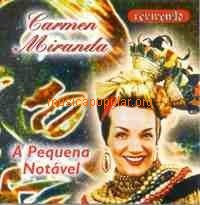
A Pequena Notável - CD
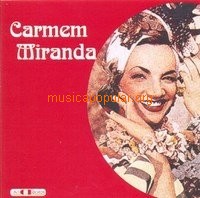
O que É que a Baiana Tem?
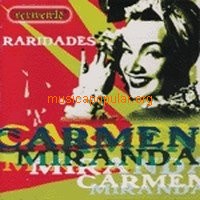
Raridades
| videos letras discografia biografia article musica mp3 galeria imagens pictures |